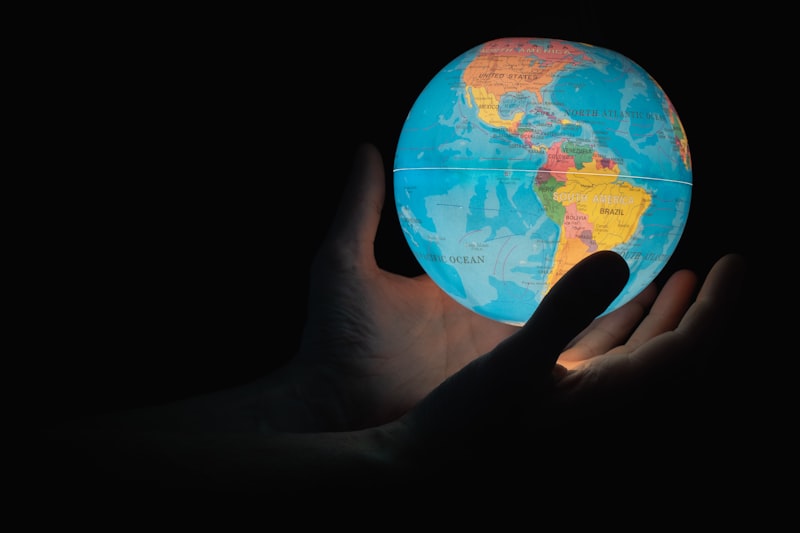
The global economy faces a complex and uncertain path in 2026, grappling with persistent inflation, geopolitical tensions, and the lingering effects of recent crises. International organizations are carefully monitoring key indicators as nations attempt to balance growth with stability. This week, the International Monetary Fund (IMF) released its updated World Economic Outlook, painting a picture of moderate growth coupled with significant risks.
According to the IMF report, global growth is projected at 3.2% for 2026, a slight improvement from the previous year but still below the pre-pandemic average. The report emphasizes the divergence in economic performance across countries, with some nations showing resilience while others struggle with debt and instability.
Inflation and Monetary Policy Challenges
One of the primary concerns remains inflation, although the IMF notes that it has begun to moderate in many regions. Central banks worldwide are under pressure to maintain tight monetary policies to keep inflation under control, but excessive tightening could trigger a recession. The US Federal Reserve, the European Central Bank, and the Reserve Bank of India are all navigating this delicate balancing act. Speaking to News Reporter Live, economist Dr. Lakshmi Sharma stated, "The key is to strike a balance between controlling inflation and supporting economic growth. Too much tightening could push the global economy into a recession."
Meanwhile, the situation in India reflects a mixed bag of opportunities and challenges. The Indian economy has demonstrated resilience, with projected growth rates remaining relatively strong. However, India is also vulnerable to global headwinds, including fluctuations in commodity prices and disruptions to supply chains.
Geopolitical Risks and International Relations
Geopolitical tensions continue to cast a shadow over the world economy. The ongoing conflict in Ukraine, tensions in the South China Sea, and trade disputes between major powers are all contributing to uncertainty. These factors can disrupt trade flows, increase commodity prices, and undermine investor confidence. Just yesterday, at the UN summit, Secretary-General Antonio Guterres warned about the escalating risks of global fragmentation and called for greater international cooperation. "We need a renewed commitment to multilateralism to address these challenges effectively," Guterres stated.
India's foreign policy is increasingly focused on navigating these complex geopolitical landscapes. As a major emerging economy, India has a significant stake in maintaining stability and promoting international cooperation. India's engagement with organizations like the G20 and the Shanghai Cooperation Organisation (SCO) reflects its commitment to multilateralism.
Regional Outlook: Asia's Growth Engine
Asia remains a key driver of global economic growth, with countries like China, India, and Indonesia leading the way. However, the region also faces challenges, including rising debt levels, demographic shifts, and the need to transition to more sustainable growth models. Reportersays the Asian Development Bank (ADB) is actively supporting infrastructure development and sustainable finance initiatives across the region.
The Regional Comprehensive Economic Partnership (RCEP) trade agreement, which includes India's key trading partners, could play a significant role in boosting intra-regional trade and investment. However, the effectiveness of RCEP will depend on the ability of member states to overcome trade barriers and promote greater economic integration.
As Finance Minister Nirmala Sitharaman noted in a recent address, "India is committed to fostering a stable and predictable economic environment, both domestically and internationally. We are working closely with our partners to address global challenges and promote sustainable and inclusive growth." Access to International Aid Programs will be crucial for many developing nations.
In conclusion, the world economy in 2026 faces a complex interplay of factors, including inflation, geopolitical tensions, and regional disparities. Navigating these uncertainties will require careful policy management, international cooperation, and a focus on sustainable and inclusive growth. India's role in shaping the global economic landscape is becoming increasingly important, as the nation strives to balance its own development goals with its responsibilities as a global player. The India News landscape is heavily influenced by these global trends.
Explore More on News Reporter Live
Frequently Asked Questions
How does the global economy forecast affect India?
The global economy forecast significantly impacts India through trade, investment, and commodity prices. Slower global growth can reduce demand for Indian exports, while higher inflation can increase import costs. India's economic policies must adapt to these global trends to maintain stability and growth.
What are the main risks to the world economy in 2026?
The main risks include persistent inflation, geopolitical tensions (especially the conflict in Ukraine and tensions in the South China Sea), and potential financial instability due to high debt levels. These factors can disrupt trade, increase uncertainty, and undermine investor confidence, as well as potentially impact International Aid Programs.
What is the IMF's role in monitoring the global economy?
The International Monetary Fund (IMF) plays a crucial role in monitoring the global economy by providing economic surveillance, policy advice, and financial assistance to member countries. The IMF's World Economic Outlook report is a key source of information and analysis for policymakers and investors worldwide.