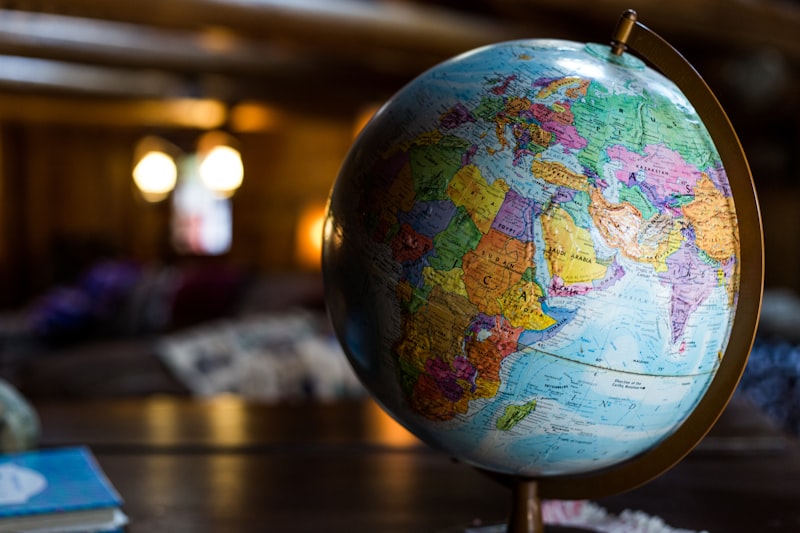
The global economy faces a complex and uncertain outlook in early April 2026, with growth forecasts being revised downwards by several international institutions. Lingering effects of geopolitical tensions, persistent inflation in some regions, and the uneven recovery from the pandemic continue to cast a shadow. The International Monetary Fund (IMF) recently lowered its global growth projection for 2026 to 3.2%, a figure that reflects concerns about potential recessions in major economies.
Speaking at a press conference in Washington D.C. this week, IMF Managing Director Kristalina Georgieva stated, "The global economy continues to face significant headwinds. While inflation is showing signs of easing in some areas, the path to price stability remains challenging, and downside risks persist." She emphasized the need for coordinated policy action to avoid a deeper downturn.
Geopolitical Risks and Their Economic Impact
The ongoing conflict in Eastern Europe remains a major source of instability, disrupting supply chains and contributing to higher energy prices. Sanctions imposed on Russia by Western countries have had a ripple effect, impacting global trade flows and investment. Furthermore, tensions in other parts of the world, including the South China Sea, add to the geopolitical uncertainty and could further disrupt economic activity. These tensions also affect India's import and export strategies.
"The war in Ukraine is having a profound impact on the global economy, particularly on energy and food prices," reportersays, adding that this is exacerbating inflationary pressures and hitting vulnerable populations hardest, according to a recent World Bank report.
Inflationary Pressures and Monetary Policy
While inflation has started to decline in some advanced economies, it remains stubbornly high in many developing countries. Central banks around the world are grappling with the challenge of tightening monetary policy to curb inflation without triggering a recession. The US Federal Reserve, the European Central Bank, and the Reserve Bank of India (RBI) have all raised interest rates in recent months, but the impact on economic growth is yet to be fully felt. The RBI, in its recent monetary policy statement, highlighted the need to remain vigilant about inflationary risks while supporting economic recovery.
India's Position in the Global Economic Landscape
India's economy has shown resilience in the face of global headwinds. The country's GDP growth is projected to be around 6.8% in 2026, making it one of the fastest-growing major economies in the world. However, India is not immune to the global slowdown. Lower global demand could impact India's exports, and higher energy prices could put pressure on inflation. The Indian government is focusing on boosting domestic demand and attracting foreign investment to sustain economic growth. The recent Union Budget included measures to promote infrastructure development, manufacturing, and digital transformation.
Trade Agreements and Regional Cooperation
In these turbulent times, strengthening regional cooperation and pursuing new trade agreements is crucial. India is actively engaged in negotiations with several countries and regional blocs to expand its trade ties. The Regional Comprehensive Economic Partnership (RCEP), though India is not a member, continues to shape trade dynamics in the Asia-Pacific region. Bilateral trade agreements with countries in Africa and Latin America are also gaining importance. These agreements are vital for diversifying India's export markets and ensuring access to essential resources.
As of today, April 5th, 2026, the world economy remains on a knife's edge. The path ahead is fraught with challenges, but concerted policy action and international cooperation can help mitigate the risks and foster a more sustainable and inclusive recovery. For India, navigating these uncertain times requires a focus on strengthening its domestic economy, promoting exports, and deepening its engagement with the global community.
Explore More on News Reporter Live
Frequently Asked Questions
How does the global economic forecast affect India?
A weaker global economy can negatively impact India's exports and investment flows. Higher energy prices, driven by geopolitical tensions, also contribute to inflation in India, affecting consumers and businesses alike. However, India's strong domestic demand and ongoing economic reforms provide a buffer against these external shocks.
What are the major risks to the global economy in 2026?
The major risks include the ongoing conflict in Ukraine, persistent inflation, rising interest rates, and potential recessions in major economies. Geopolitical tensions in other regions and the possibility of new pandemics also pose significant threats to global economic stability. Failure to address climate change could also have dire economic consequences.
What is the international response to the economic slowdown?
International organizations like the IMF and the World Bank are providing financial assistance and policy advice to countries facing economic difficulties. Central banks are coordinating their monetary policies to manage inflation and support growth. Governments are also working together to address supply chain disruptions and promote trade.