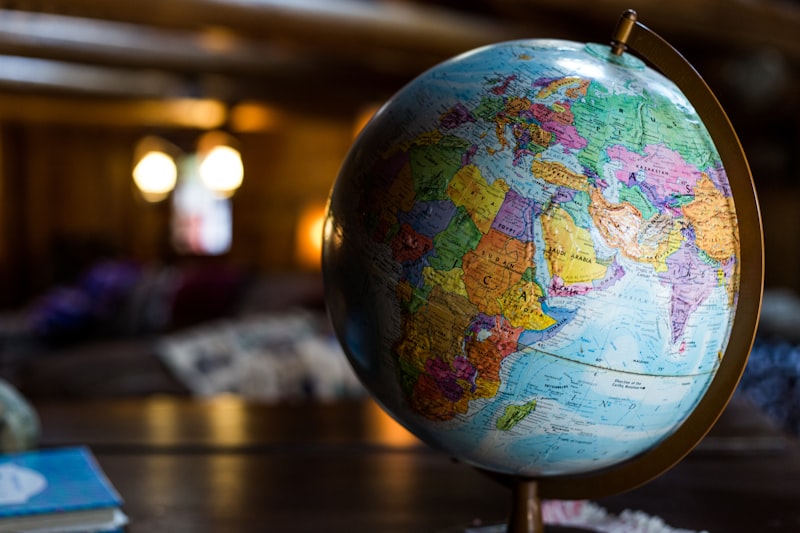
New Delhi, April 7, 2026 – The global economic outlook for 2026 remains cautiously optimistic, shadowed by persistent inflation, geopolitical tensions, and uneven growth across different regions. According to the latest World Bank report released this week, global growth is projected to reach 2.4%, a slight uptick from last year but still well below the pre-pandemic average. The report emphasizes the need for coordinated international action to address these challenges and ensure sustainable and inclusive growth.
Inflation and Interest Rate Hikes Impacting Global Growth
Inflation continues to be a major concern for policymakers worldwide. Major central banks, including the US Federal Reserve and the European Central Bank, have been aggressively raising interest rates to combat rising prices. These rate hikes, while aimed at curbing inflation, are also putting downward pressure on economic growth. "We are walking a tightrope," stated Kristalina Georgieva, Managing Director of the International Monetary Fund (IMF), during a recent press conference in Washington. "We need to bring inflation under control without triggering a deep recession."
The impact of these policies is being felt unevenly across the globe. Developed economies are generally experiencing slower growth, while some emerging markets, particularly in Asia, are showing greater resilience. China's economic recovery, after a period of COVID-related lockdowns, is expected to contribute significantly to global growth, although concerns remain about the sustainability of this recovery.
Geopolitical Risks and Supply Chain Disruptions
Geopolitical risks, particularly the ongoing conflict in Ukraine, continue to cast a long shadow over the global economy. The war has disrupted supply chains, driven up energy prices, and created significant uncertainty. Sanctions imposed on Russia have also had a ripple effect on global trade. "The war in Ukraine is a major setback for the global economy," said UN Secretary-General António Guterres in a statement earlier today. "We need to find a peaceful resolution to this conflict to alleviate the suffering of millions and mitigate the economic consequences."
Supply chain disruptions, which began during the pandemic, are still a major challenge. While some bottlenecks have eased, others remain, particularly in sectors such as semiconductors and electronics. This is impacting manufacturing output and contributing to inflationary pressures. Many companies are now looking to diversify their supply chains to reduce their dependence on any single source.
India's Position in the Global Economic Landscape
India's economic performance is expected to be a bright spot in the global landscape. The World Bank projects India's economy to grow at around 6.5% this year, making it one of the fastest-growing major economies in the world. This growth is being driven by strong domestic demand, increased infrastructure spending, and a growing manufacturing sector. However, India is not immune to the global headwinds. Rising energy prices, inflationary pressures, and a slowdown in global demand could all impact India's growth prospects. Reportersays, the Indian government is closely monitoring the situation and taking steps to mitigate these risks, including diversifying its energy sources and promoting exports.
India's foreign policy is also playing an increasingly important role in the global economic order. India is actively engaged in promoting multilateralism and working with other countries to address global challenges. India's growing economic and political influence makes it a key player in shaping the future of the world economy.
Implications for the Region
The state of the world economy has significant implications for the South Asian region. Slower global growth could impact exports from the region, while rising energy prices could put pressure on import bills. However, India's strong economic performance could provide a boost to the region, as it is a major trading partner for many South Asian countries. Regional cooperation and integration are essential to mitigate these risks and ensure sustainable economic development. It's important for countries in the region to strengthen their economic ties, diversify their export markets, and invest in infrastructure to boost trade and investment. India News will continue to monitor these developments closely.
Explore More on News Reporter Live
Frequently Asked Questions
How does the global economic forecast affect India?
Slower global growth could impact India's exports and economic growth. Rising energy prices and inflation could also pose challenges for the Indian economy. However, India's strong domestic demand and growing manufacturing sector could help to mitigate these risks.
What is the international response to the current economic challenges?
International organizations like the IMF and World Bank are urging coordinated action to address inflation, geopolitical risks, and supply chain disruptions. Central banks are raising interest rates to combat inflation, while governments are implementing fiscal policies to support economic growth.
What are the key risks to the global economic outlook?
The key risks include persistent inflation, geopolitical tensions (particularly the war in Ukraine), supply chain disruptions, and the potential for a sharp slowdown in major economies. These risks could lead to lower growth, higher unemployment, and increased poverty.