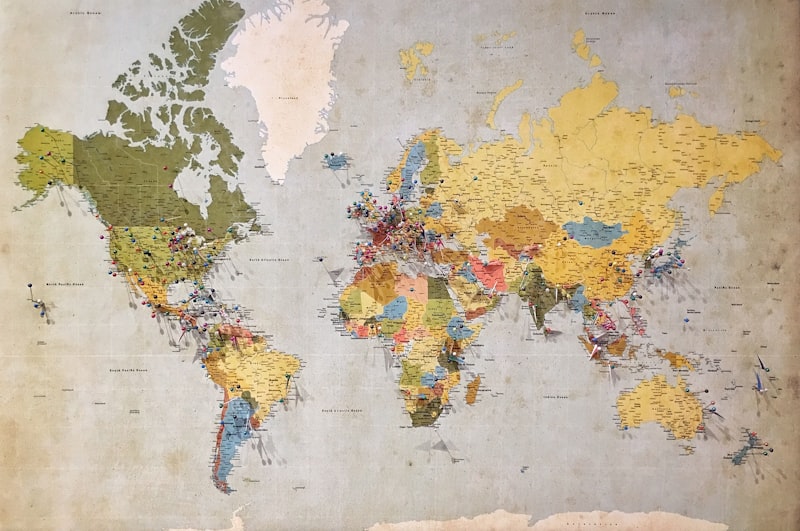
New York – The United Nations Security Council is grappling with increasingly complex peacekeeping mandates amid rising global instability. As of today, April 1, 2026, there are 12 active UN peacekeeping operations deployed across three continents, from the Democratic Republic of Congo to South Sudan and Lebanon. These missions, vital for maintaining international peace and security, face multifaceted challenges ranging from armed conflicts to political instability and humanitarian crises.
Geopolitical Shifts and Peacekeeping
The geopolitical landscape has significantly impacted the effectiveness and scope of UN peacekeeping. Rising tensions between major powers, coupled with the proliferation of non-state actors, have made it harder to secure consensus within the Security Council on peacekeeping mandates. This week, the Council debated extending the mandate of the UN mission in South Sudan (UNMISS), with disagreements emerging over the mission's focus and resources. Ultimately, the mandate was extended for another year, but with a reduced troop ceiling and a greater emphasis on political reconciliation.
"Peacekeeping is not a panacea, but it remains an essential tool for conflict management," stated UN Secretary-General António Guterres during a press briefing yesterday. "We must adapt our approaches to meet the evolving challenges and ensure that peacekeeping operations are fit for purpose." He emphasized the importance of political solutions alongside military and security measures.
India's Role in UN Peacekeeping Efforts
India remains one of the largest troop-contributing countries to UN peacekeeping operations. Currently, over 6,000 Indian peacekeepers are deployed in various missions, providing critical support in areas such as medical assistance, engineering, and security. Earlier this year, India pledged to increase its contribution to UN peacekeeping by deploying more female peacekeepers, aligning with the UN's efforts to promote gender equality in peacekeeping operations.
Speaking to News Reporter Live, Ambassador Ruchira Kamboj, India's Permanent Representative to the UN, highlighted India's commitment to multilateralism and peaceful conflict resolution. "India has a long and proud history of contributing to UN peacekeeping," she said. "We believe that peacekeeping operations, when properly mandated and resourced, can play a vital role in stabilizing conflict-affected countries and creating the conditions for sustainable peace." reportersays
Challenges and the Future of UN Peacekeeping
Several challenges threaten the effectiveness of UN peacekeeping. These include funding constraints, the need for enhanced training and equipment for peacekeepers, and the lack of political will among some member states to fully support peacekeeping operations. Moreover, the increasing complexity of conflicts requires peacekeepers to address a wider range of issues, from protecting civilians to supporting political transitions and promoting human rights.
The rise of disinformation and misinformation also poses a significant challenge to UN peacekeeping. False narratives and propaganda can undermine public trust in peacekeeping operations and exacerbate tensions between communities. The UN is working to counter disinformation through strategic communications and community engagement initiatives.
The future of UN peacekeeping hinges on the ability of the Security Council to adapt to the changing global landscape and address the challenges facing peacekeeping operations. This requires greater cooperation between member states, enhanced engagement with local communities, and a commitment to upholding the principles of the UN Charter.
For India, the success of UN peacekeeping is directly linked to regional stability and security. A more effective UN peacekeeping system can help prevent conflicts from escalating and spilling over into neighboring countries, thereby safeguarding India's strategic interests. As a responsible member of the international community, India has a vested interest in strengthening UN peacekeeping and ensuring that it remains a credible and effective tool for maintaining international peace and security.
Explore More on News Reporter Live
Frequently Asked Questions
How does UN peacekeeping affect India?
India is a major troop contributor to UN peacekeeping missions. Successful peacekeeping helps stabilize regions, preventing conflicts that could negatively impact India's security and economic interests. India's participation also enhances its standing on the global stage.
What are the main challenges facing UN peacekeeping today?
Key challenges include securing Security Council consensus on mandates, funding constraints, the need for better training and equipment, and the increasing complexity of conflicts. Disinformation campaigns also undermine trust in peacekeeping operations and hinder their effectiveness.
What is the international response to the current challenges in UN peacekeeping?
The UN Secretary-General is calling for greater cooperation among member states and adaptation of peacekeeping approaches. Efforts are being made to enhance training, improve strategic communications to counter disinformation, and increase engagement with local communities to build trust and support for peacekeeping operations.