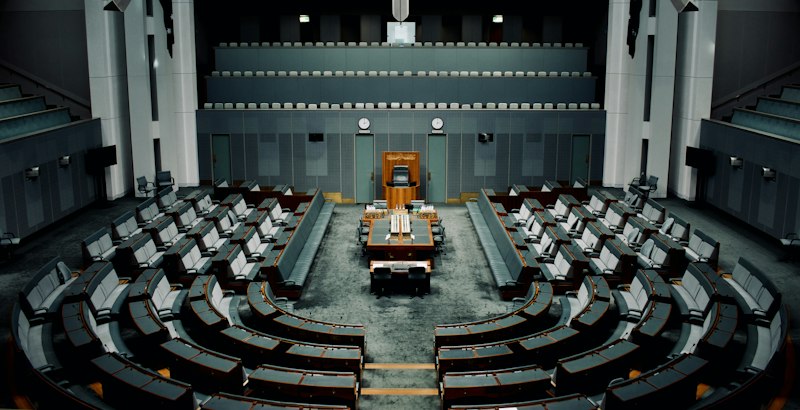
New Delhi, March 28, 2026 – The recently concluded Parliament session witnessed a flurry of legislative activity, punctuated by heated debates and walkouts. Several key bills were passed, impacting sectors ranging from agriculture to education. The session, which adjourned sine die yesterday, saw both the ruling party and the opposition engaging in intense political maneuvering, setting the stage for upcoming state elections.
The most contentious piece of legislation was the Agricultural Reforms Amendment Bill, which aims to further liberalize the agricultural sector. While the government argues that the bill will empower farmers and attract much-needed investment, the opposition has slammed it as anti-farmer and detrimental to the interests of small landholders. Protests erupted outside Parliament throughout the session, with farmers demanding the bill's withdrawal.
Agricultural Reforms Amendment Bill: A Divisive Issue
The passage of the Agricultural Reforms Amendment Bill was particularly stormy. Opposition members staged multiple walkouts, alleging that the government was railroading the legislation through without proper debate. Speaking to News Reporter Live, senior Congress leader Adhir Ranjan Chowdhury said, "This government is bulldozing its way through Parliament. They are not listening to the concerns of farmers or the opposition. This bill is a death warrant for Indian agriculture."
Union Agriculture Minister Narendra Singh Tomar, however, defended the bill, stating that it would usher in a new era of prosperity for farmers. "This bill is a game-changer," he asserted during a press conference. "It will give farmers the freedom to sell their produce anywhere in the country and will attract private investment in agriculture infrastructure."
Meanwhile, the Education Enhancement Bill, aimed at improving the quality of education in government schools, also received considerable attention. The bill proposes increased funding for teacher training and infrastructure development. However, some education experts have raised concerns about the bill's focus on standardized testing and its potential impact on student creativity.
Education Enhancement Bill: Focus on Quality
Besides the two major bills, Parliament also passed several other important pieces of legislation, including the Digital Data Protection Bill and the Renewable Energy Promotion Bill. The Digital Data Protection Bill seeks to establish a comprehensive framework for data privacy, while the Renewable Energy Promotion Bill aims to incentivize the development of renewable energy sources.
This week, sources within the ruling Bharatiya Janata Party (BJP) indicated that the government is preparing for a series of rallies and public outreach programs to promote the benefits of the newly passed legislation. The BJP hopes to leverage these initiatives to gain momentum ahead of the upcoming state elections in Uttar Pradesh and Punjab.
On the other hand, the opposition parties are planning a nationwide protest against the government's policies, particularly the Agricultural Reforms Amendment Bill. They are hoping to capitalize on the growing discontent among farmers and other sections of society to mount a strong challenge to the ruling party. As Breaking News develops, News Reporter Live will continue to provide updates.
Political Reactions and Future Implications
Political analysts believe that the recently concluded Parliament session has set the stage for a highly polarized political environment. The passage of controversial legislation, coupled with the upcoming state elections, is likely to intensify the political battle between the ruling party and the opposition. reportersays, the success of these bills hinges on effective implementation and addressing the concerns of various stakeholders.
“The government has managed to push through its legislative agenda, but it has come at the cost of increased political polarization,” says Dr. Neelam Deo, a political commentator. “The real test will be whether these policies can deliver tangible benefits to the people and address the underlying economic challenges.”
The coming months will be crucial in determining the political trajectory of the country. The outcome of the state elections will provide a significant indication of the public mood and the future prospects of the various political parties. Citizens are anxiously waiting to see how these new laws will impact their lives.
Explore More on News Reporter Live
Frequently Asked Questions
What were the major highlights of the recent Parliament session?
The Parliament session was marked by the passage of key bills, including the Agricultural Reforms Amendment Bill and the Education Enhancement Bill. These bills sparked intense debate and protests from the opposition and various stakeholders.
How will the Agricultural Reforms Amendment Bill affect farmers?
The government claims the bill will empower farmers by allowing them to sell their produce anywhere and attract private investment. However, the opposition argues it will harm small farmers and benefit corporations. The actual impact will depend on implementation and market dynamics. You can also read more about Government Schemes that might benefit farmers.
What are the opposition parties planning in response to the new legislation?
Opposition parties are planning nationwide protests against the government's policies, particularly the Agricultural Reforms Amendment Bill. They aim to capitalize on public discontent and mount a strong challenge to the ruling party in upcoming elections.