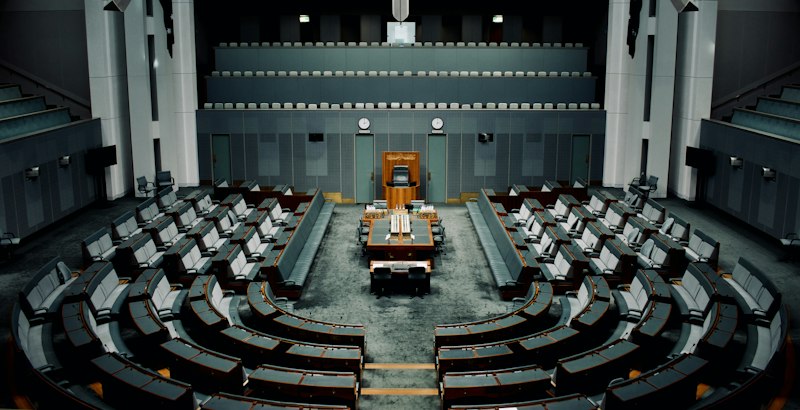
New Delhi, March 23, 2026 – The recently concluded Parliament session witnessed a flurry of legislative activity and intense debates across party lines. Several key bills were tabled, discussed, and, in some cases, passed, shaping the trajectory of Indian politics and policy. This session, which adjourned sine die last week, was particularly significant due to its focus on economic reforms and social justice measures.
One of the most hotly debated pieces of legislation was the Digital Infrastructure Bill, aimed at modernizing India's digital landscape and promoting greater accessibility to internet services. The bill proposes significant investments in broadband infrastructure, particularly in rural areas, and seeks to streamline regulations for telecom operators. However, opposition parties raised concerns about potential privacy violations and the concentration of power in the hands of a few large corporations. Speaking to News Reporter Live, Congress MP Shashi Tharoor stated, "While we support the goal of expanding digital access, we must ensure that it does not come at the cost of individual liberties and fair competition."
Key Bills Passed in the Parliament Session
Despite the opposition's reservations, the Digital Infrastructure Bill was eventually passed with a majority vote in both the Lok Sabha and the Rajya Sabha. Other notable bills that sailed through Parliament included the Amendment to the Goods and Services Tax (GST) Act, designed to simplify tax compliance for small businesses, and the National Education Policy Implementation Bill, which outlines the framework for implementing the new education policy at the state level. For more information on government schemes, visit our Government Schemes section.
The GST amendment is expected to benefit millions of small businesses across the country by reducing their compliance burden and improving cash flow. Finance Minister Nirmala Sitharaman hailed the passage of the bill as a major step towards economic growth and job creation. "This amendment will significantly ease the process of doing business in India and boost the competitiveness of our small and medium enterprises," she said in a press conference following the Parliament session.
Opposition's Strong Resistance and Walkouts
The session wasn't without its share of disruptions and walkouts. The opposition parties, led by the Congress and the Trinamool Congress, staged several protests over issues such as rising inflation, unemployment, and alleged misuse of investigative agencies. The debates on these issues were often heated, with lawmakers exchanging accusations and counter-accusations. reportersays The opposition also demanded a discussion on the border situation with China, but the government refused, citing national security concerns.
One particularly contentious moment occurred during the debate on the Environment Protection Amendment Bill, which seeks to relax certain environmental regulations to promote industrial development. Environmental activists and opposition parties criticized the bill, arguing that it would lead to increased pollution and deforestation. The bill was eventually passed, but not without significant opposition and amendments.
Impact on Upcoming State Elections
The outcomes of this Parliament session are likely to have a significant impact on the upcoming state elections later this year. The ruling BJP will undoubtedly highlight the passage of key economic reform bills as evidence of its commitment to development and job creation. On the other hand, the opposition parties are expected to focus on issues such as inflation, unemployment, and social justice to mobilize voters against the government. The political climate remains charged as parties strategize for the crucial electoral battles ahead. Stay updated with all the Breaking News here.
Political analyst Dr. Rajeev Sharma commented on the session: "This Parliament session highlighted the deep divisions within the Indian political landscape. While the government managed to push through several key legislations, the opposition's resistance indicates that the political battles are far from over." The coming months promise to be politically turbulent as the nation gears up for a series of important state elections.
Explore More on News Reporter Live
Frequently Asked Questions
What were the major highlights of the recent Parliament session?
The recent Parliament session focused on passing key bills related to digital infrastructure, GST amendments, and national education policy implementation. There were also heated debates on issues like inflation, unemployment, and environmental regulations, leading to protests and walkouts by opposition parties.
How will the new GST amendment affect small businesses?
The GST amendment is designed to simplify tax compliance for small businesses by reducing their compliance burden and improving cash flow. This is expected to boost the competitiveness of small and medium enterprises across India.
What were the main concerns raised by the opposition during the session?
The opposition parties raised concerns about potential privacy violations related to the Digital Infrastructure Bill. Furthermore, they protested against rising inflation, unemployment, alleged misuse of investigative agencies, and the relaxation of environmental regulations in the Environment Protection Amendment Bill.