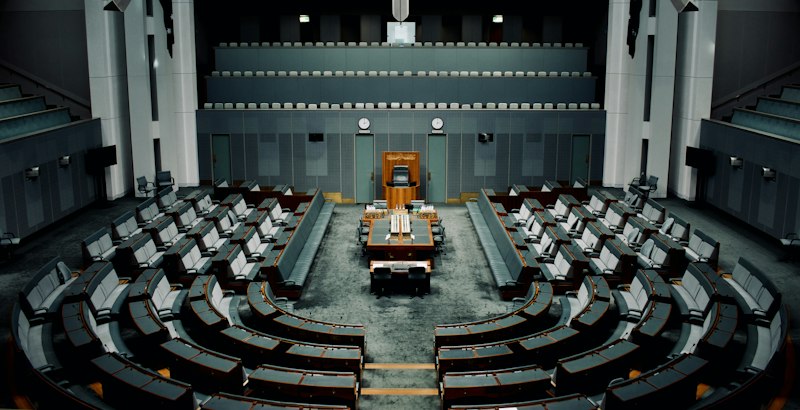
New Delhi, April 2, 2026 – In a landmark move, the Indian Parliament has passed the National Education Policy Reform Bill (NEPRB) 2026, ushering in sweeping changes to the country's education system. The bill, tabled by the Ministry of Education, aims to overhaul the existing structure, focusing on skill-based learning, vocational training, and increased digital literacy. The reform has been a subject of intense debate for months, with both ruling party and opposition members voicing their opinions.
The NEPRB 2026 proposes a significant shift from rote learning to a more application-based approach. It emphasizes critical thinking, problem-solving, and creativity. The bill also includes provisions for integrating technology into classrooms, providing digital resources to students, and training teachers in modern pedagogical techniques. Furthermore, the policy aims to reduce the burden of exams and assessments by introducing a more holistic evaluation system.
Key Highlights of the Education Policy Reform
One of the most significant changes is the restructuring of the academic year to include shorter semesters and more frequent breaks. This is intended to reduce stress and improve student well-being. Additionally, the bill proposes the establishment of a National Research Foundation (NRF) to fund and promote research across various disciplines. The NRF will play a crucial role in fostering innovation and development in the country, linking academic research with industry needs.
Speaking to News Reporter Live, Education Minister Dharmendra Pradhan said, "This policy is a game-changer for India's education system. It will empower our students with the skills and knowledge they need to succeed in the 21st century. We are committed to providing quality education to all, regardless of their socio-economic background." He added that the Modi government is dedicated to transforming India into a global knowledge hub.
However, the opposition has criticized the policy, raising concerns about its implementation and potential impact on marginalized communities. Congress MP Adhir Ranjan Chowdhury stated, "While the intent of the policy may be noble, its execution is questionable. We need to ensure that this reform does not further exacerbate existing inequalities in the education system. The government needs to address the digital divide and provide adequate resources to schools in rural areas."
Reactions from the Ground on Government Policy
The passage of the NEPRB 2026 has evoked mixed reactions from teachers, students, and parents across the country. While many welcome the emphasis on skill-based learning and technology integration, others worry about the challenges of implementing such a large-scale reform. Teachers in rural schools have expressed concerns about the lack of infrastructure and resources to support the new policy. Some private school administrators are enthusiastic about the changes, seeing it as an opportunity to enhance the quality of education they provide.
Meanwhile, student organizations have organized protests in several cities, demanding greater representation in the policy-making process. They argue that the government should have consulted with students and teachers before finalizing the bill. The All India Students' Federation (AISF) has called for a nationwide strike to protest against what they perceive as a top-down approach to education reform. The mood remains tense as stakeholders wait to see how the policy unfolds.
Historical Context and Political Analysis
This education reform is the latest in a series of policy initiatives launched by the Modi government to transform various sectors of the Indian economy and society. Previous reforms have included the Goods and Services Tax (GST), the Insolvency and Bankruptcy Code (IBC), and the Ayushman Bharat healthcare scheme. The government’s supporters argue that these reforms are essential for India to achieve its full potential and become a global superpower. Critics, however, contend that many of these policies have been implemented without adequate planning and have had unintended consequences.
Political analysts reportersays believe that the NEPRB 2026 is a bold move by the government to address the challenges facing India's education system. However, they caution that the success of the policy will depend on its effective implementation and the ability of the government to address the concerns of various stakeholders. “The devil is always in the details,” says political commentator Swati Chaturvedi. “The government needs to ensure that this policy is not just a paper tiger but a real catalyst for change.”
As of today, April 2, 2026, the Ministry of Education is preparing detailed guidelines for the implementation of the NEPRB 2026. The first phase of the reform is expected to begin in the next academic year, with a focus on teacher training and infrastructure development. The government has allocated significant funds for this purpose, but it remains to be seen whether these funds will be sufficient to achieve the ambitious goals of the policy.
Explore More on News Reporter Live
Frequently Asked Questions
What are the key changes introduced by the National Education Policy Reform Bill 2026?
The NEPRB 2026 introduces significant changes such as a shift to skill-based learning, integration of technology in classrooms, a restructured academic year, and the establishment of a National Research Foundation (NRF) to promote research and innovation. It aims to reduce rote learning and promote critical thinking.
How will the new policy address the digital divide in education?
The policy includes provisions for providing digital resources to students and training teachers in modern pedagogical techniques. The government aims to ensure that all students, regardless of their location or socio-economic background, have access to quality digital education. However, the opposition has voiced concerns about the feasibility of this.
What are the opposition's concerns regarding the Education Policy Reform?
The opposition has raised concerns about the implementation of the policy and its potential impact on marginalized communities. They emphasize the importance of ensuring that the reform does not exacerbate existing inequalities in the education system and that adequate resources are provided to schools in rural areas.