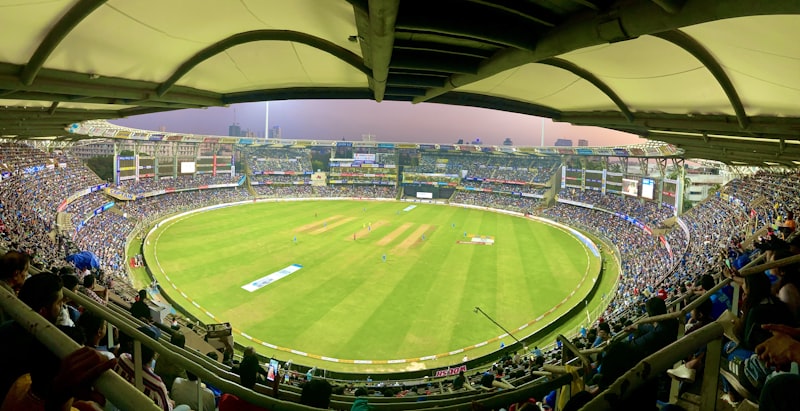
The roar of the crowd, the crack of the bat, the dizzying heights of sixes soaring into the night sky – these are the sights and sounds we associate with the IPL. But beyond the boundary ropes lies a complex and fascinating business ecosystem. As the 2026 season gets underway, News Reporter Live takes a look at the financial strategies and business models that underpin these high-profile franchises.
Franchise Valuations: Soaring High
The IPL is no longer just a cricket tournament; it's a multi-billion dollar industry. Franchise valuations have skyrocketed since the league's inception. Mumbai Indians and Chennai Super Kings consistently top the charts, with estimates placing their worth at over $1.3 billion each. But what drives these valuations? A potent mix of factors, including brand value, on-field performance, fan base, and sponsorship deals, all play a crucial role.
Successful teams like CSK, who retained MS Dhoni for a whopping INR 15 crore (approx. $1.8 million) in the 2026 auction, understand the importance of maintaining a strong core of players and building a loyal fan base. This translates directly into higher ticket sales, merchandise revenue, and lucrative sponsorship opportunities.
Revenue Streams: Beyond Ticket Sales
While ticket sales are a significant contributor, IPL franchises have diversified their revenue streams considerably. Broadcasting rights, currently held by Star Sports in a massive deal, contribute a large chunk of the income. Sponsorships are another critical component, with brands vying for coveted spots on jerseys and advertising hoardings. Franchises also earn revenue from merchandise sales, licensing agreements, and increasingly, digital content.
Even emerging teams like the Lucknow Super Giants, who invested heavily in young talent at the auction, are exploring innovative ways to boost revenue. They're focusing on building a strong social media presence and engaging with fans through online platforms. "We understand the importance of connecting with our fan base on a personal level," says Lucknow Super Giants CEO Raghu Iyer. "Digital engagement is key to building brand loyalty and driving revenue in the long run."
The Auction Strategy: Building a Winning Team (and a Profitable One)
The IPL auction is a high-stakes game where franchise owners and coaches meticulously strategize to build a competitive team within a fixed budget. It's not just about buying the most expensive players; it's about identifying undervalued talent and building a balanced squad. Remember how Punjab Kings snagged rising star Aryan Sharma for just INR 20 lakh in the auction – a steal that could pay dividends this season?
Franchises are increasingly relying on data analytics to identify players who fit their specific needs and playing style. This data-driven approach helps them make informed decisions at the auction table and avoid overspending on players who may not be a good fit.
Impact on the Points Table
As of March 24, 2026, the Mumbai Indians lead the points table after a dominant victory against the Delhi Capitals. Their strategic investments in both batting and bowling seem to be paying off. Meanwhile, CSK is hot on their heels, proving once again that experience and consistency are invaluable assets in the IPL. Reportersays that the season is still young, with much cricket to be played, but early indicators suggest a highly competitive race for the playoffs.
Explore More on News Reporter Live
Frequently Asked Questions
What is the current IPL points table?
As of today, March 24, 2026, the Mumbai Indians are leading the IPL points table, followed closely by the Chennai Super Kings. The full points table is updated live on our Live IPL Scores page.
Which IPL team has the highest brand value?
The Mumbai Indians and Chennai Super Kings consistently rank as the IPL teams with the highest brand value. Their on-field success, loyal fan base, and strong marketing strategies contribute to their high valuations.
How do IPL franchises make money?
IPL franchises generate revenue through various streams, including broadcasting rights, ticket sales, sponsorships, merchandise sales, and digital content. Broadcasting rights and sponsorships are the most significant revenue sources.