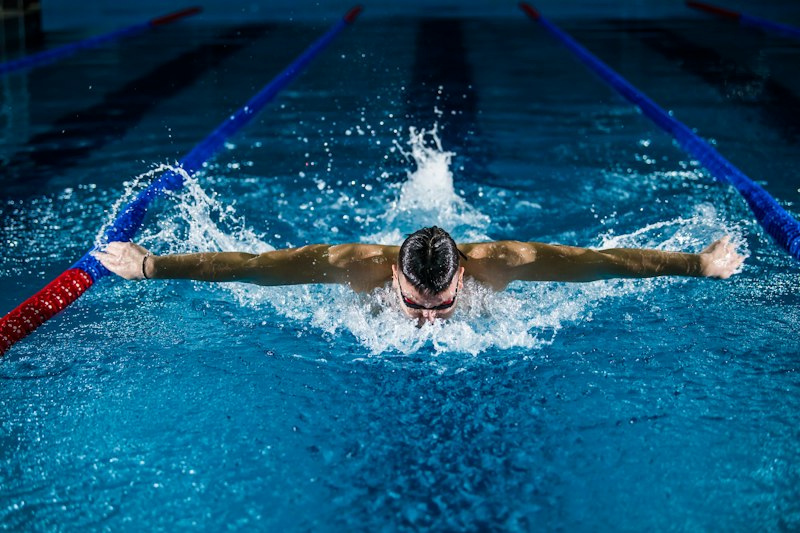
Patiala, April 7, 2026 – As the Paris Olympics draw closer, the pressure is mounting on India's top athletes. News Reporter Live brings you an exclusive look into the rigorous training regimens these athletes are undergoing to bring glory to the nation. From early morning starts to late-night analysis, every aspect of their lives is meticulously planned and executed with a single goal in mind: Olympic gold.
Early Mornings and Grueling Physical Conditioning
The day begins before sunrise for many athletes at the National Institute of Sports (NIS) in Patiala. Sprinter Hima Das, a strong contender for a medal in the 400m, shared her daily routine with us. "We start with a light warm-up followed by intense track sessions. It's all about pushing our limits every single day," Das explained, wiping sweat from her brow. Her training includes speed drills, endurance runs, and plyometric exercises designed to enhance explosive power. The physical conditioning is tailored to each athlete's specific sport and needs, overseen by a team of experienced coaches and sports scientists.
Weightlifter Mirabai Chanu, another medal hopeful, focuses on strength training and perfecting her technique. "Weightlifting is not just about brute strength; it's about precision and mental fortitude," Chanu stated during a break between sets. Her training involves hours of lifting heavy weights, combined with mobility exercises and physiotherapy to prevent injuries. Proper nutrition and rest are also crucial components of her regimen.
The Mental Game: Building Resilience and Focus
Beyond the physical demands, the mental aspect of Olympic training is equally important. Athletes work with sports psychologists to develop strategies for managing stress, maintaining focus, and building resilience. Meditation, visualization techniques, and cognitive behavioral therapy are all employed to help athletes perform at their best under pressure. "The Olympics is as much a mental battle as it is a physical one. We need to be mentally prepared to face any challenge that comes our way," reportersays badminton star PV Sindhu, who is aiming for her second Olympic medal.
Nutrition and Recovery: Fueling the Body and Mind
A carefully planned diet is essential for Olympic athletes to fuel their bodies and aid recovery. Nutritionists work closely with athletes to create personalized meal plans that provide the right balance of carbohydrates, protein, and fats. Hydration is also closely monitored, and athletes are encouraged to consume plenty of fluids throughout the day. Recovery is just as important as training. Athletes use various methods to recover from strenuous workouts, including ice baths, massage therapy, and active recovery sessions. Sleep is also prioritized, with athletes aiming for at least eight hours of quality sleep each night.
Latest Training Updates and Injury Concerns
As of this week, the Indian Olympic Association is closely monitoring a minor ankle sprain sustained by Neeraj Chopra, the javelin throw sensation. While the injury is not considered serious, it has slightly impacted his training schedule. Medical staff are providing intensive care, and Chopra is expected to resume full training within a week. Meanwhile, the hockey India team is currently on a European tour, playing practice matches against top international teams to fine-tune their strategies. You can follow Live Cricket Scores and other sports updates on News Reporter Live.
Explore More on News Reporter Live
Frequently Asked Questions
What does a typical day of Olympic athlete training look like?
A typical day involves early morning physical conditioning, sport-specific training sessions, mental preparation exercises, carefully planned nutrition, and recovery techniques like massage therapy and ice baths. Sleep is also prioritized to ensure optimal recovery.
How important is mental training for Olympic athletes?
Mental training is crucial. Athletes work with sports psychologists to develop strategies for managing stress, maintaining focus, building resilience, and performing under pressure. Techniques like meditation and visualization are commonly used. The mental aspect is considered as vital as the physical one.
What kind of diet do Olympic athletes follow?
Olympic athletes follow a carefully planned diet that provides the right balance of carbohydrates, protein, and fats. Nutritionists create personalized meal plans based on the athlete's sport, training intensity, and individual needs. Hydration is also closely monitored.