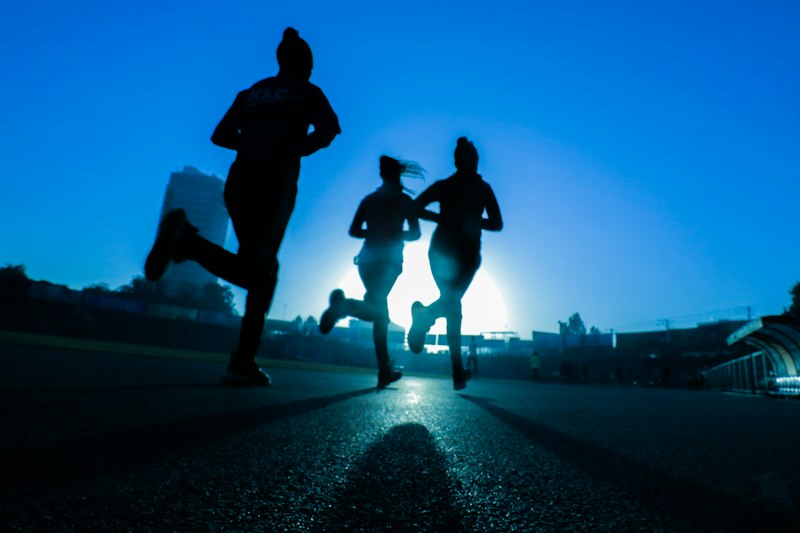
The road to the Olympics is paved with sweat, sacrifice, and relentless dedication. Here at News Reporter Live, we’re bringing you an exclusive look into the rigorous training regime of Indian athletes as they gear up for the next summer games. From dawn until dusk, these individuals push their physical and mental limits, fuelled by a burning desire to represent India on the world stage. Let's dive into what it takes to become an Olympic champion.
Early Mornings and Intense Physical Conditioning
For many Olympic hopefuls, the day begins well before sunrise. Weightlifters, for instance, are often in the gym by 5:00 AM, focusing on power and strength training. Track and field athletes hit the ground running – literally – with long-distance runs and sprint drills designed to build endurance and speed. "The early morning sessions are the toughest," says sprinter Dutee Chand, “But they set the tone for the rest of the day. Knowing you've already put in the work gives you a mental edge." Meanwhile, badminton stars like PV Sindhu dedicate their mornings to refining their on-court agility and shuttlecock control. Each sport demands a unique blend of physical prowess, and the training programs reflect this diversity.
Swimming sensation Srihari Nataraj, who narrowly missed a medal in the last Olympics, emphasizes the importance of consistency. "It's not just about the hours you put in, but the quality of those hours," he tells News Reporter Live. His training involves multiple pool sessions daily, interspersed with dryland exercises to enhance flexibility and core strength. Dieticians and physiotherapists play an integral role, ensuring the athletes are both nourished and injury-free.
The Mental Game: Sharpening Focus and Building Resilience
Physical strength is only half the battle; mental fortitude is equally crucial. Olympic athletes work closely with sports psychologists to develop strategies for managing pressure, overcoming setbacks, and maintaining unwavering focus. Visualisation techniques, mindfulness exercises, and cognitive restructuring are all part of the mental training toolkit. "The mind is the most powerful muscle in the body," reportersays national shooting coach Jaspal Rana, "If you can control your thoughts, you can control your performance."
Balancing Training and Recovery
Intense training demands equally diligent recovery. Athletes prioritize sleep, nutrition, and active recovery techniques like yoga and massage. Proper rest allows the body to repair and rebuild muscle tissue, preventing injuries and optimizing performance. Monitoring heart rate variability, sleep patterns, and other physiological markers helps coaches and trainers fine-tune training schedules to ensure athletes are peaking at the right time. Many athletes now also incorporate cryotherapy and other advanced recovery methods.
Upcoming Events and India's Olympic Prospects
The upcoming months are crucial for athletes aiming to qualify for the Olympics. Several key events, including the Asian Athletics Championships and various international qualifying tournaments, will determine who makes the cut. India's Olympic prospects look promising, with a strong contingent of athletes showing medal potential across a range of sports. Keep following News Reporter Live for all the latest Indian sports news and updates on their journey to the Olympics.
Explore More on News Reporter Live
Frequently Asked Questions
What is the most important part of an Olympic athlete's training?
While physical conditioning is essential, the mental aspect is just as crucial. Athletes must develop mental resilience, focus, and strategies for managing pressure to perform at their best on the Olympic stage.
How do Olympic athletes balance training with recovery?
Recovery is a critical component of Olympic training. Athletes prioritize sleep, nutrition, and active recovery techniques like yoga and massage to allow their bodies to repair and rebuild muscle tissue, preventing injuries and optimizing performance.
What are some of the challenges faced by Indian athletes in Olympic training?
Indian athletes often face challenges such as limited access to world-class facilities, funding constraints, and societal pressures. However, with increasing government support and growing awareness, these challenges are gradually being addressed.