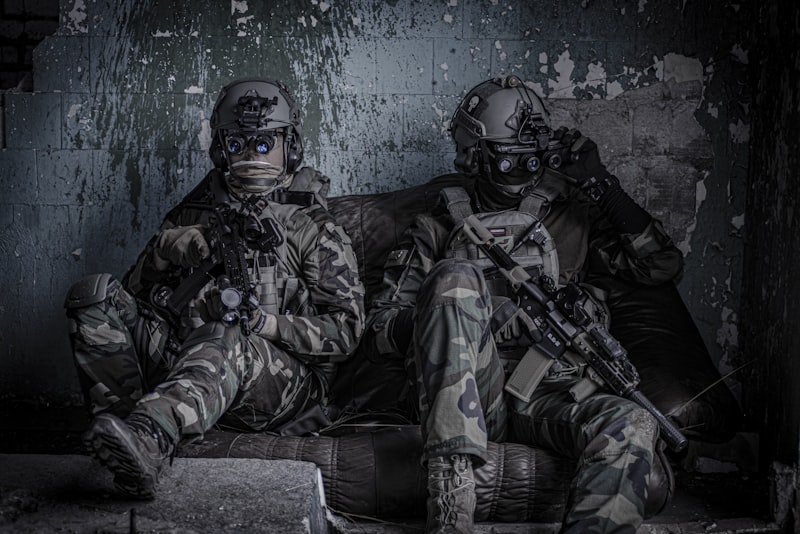
Leh, April 4, 2026 – India has significantly increased its border security measures along its northern and eastern frontiers, particularly in Ladakh and Arunachal Pradesh, in response to heightened regional geopolitical tensions. The move comes after a series of reported incursions and escalating rhetoric from neighboring countries. The Ministry of Defence confirmed the deployment of additional troops, advanced surveillance technology, and upgraded defensive infrastructure to safeguard India's territorial integrity.
The strategic focus remains on the Line of Actual Control (LAC) with China, where tensions have persisted since the 2020 Galwan Valley clash. Sources within the Northern Command indicate a reinforcement of existing formations with additional infantry battalions and armored regiments. This augmentation is supported by enhanced air support capabilities, including the deployment of advanced fighter jets and attack helicopters to forward operating bases.
Enhanced Surveillance and Detection Capabilities
A key component of India's enhanced border security strategy is the integration of advanced surveillance and detection technologies. This includes the deployment of long-range reconnaissance and observation systems (LORROS), unmanned aerial vehicles (UAVs) equipped with high-resolution cameras and infrared sensors, and ground-based radar systems capable of detecting movements across challenging terrain. The data collected is fed into a centralized command and control center, providing real-time situational awareness to military commanders. Speaking to News Reporter Live, a senior defense analyst, Dr. Aisha Sharma, stated, "The integration of these technologies significantly enhances India's ability to monitor border areas, detect potential threats, and respond effectively to any incursions."
The Indian Army is also incorporating artificial intelligence-powered analytics tools to process the vast amounts of data generated by these surveillance systems, allowing for faster identification of anomalies and potential threats. This proactive approach aims to deter potential adversaries and provide early warning of any hostile activity. Meanwhile, infrastructure development along the border continues at a rapid pace, with the construction of new roads, bridges, and tunnels to improve connectivity and facilitate the rapid deployment of troops and equipment.
Modernization of Defense Systems Along the Border
India is actively modernizing its defense systems deployed along the border. This includes the induction of new artillery guns, air defense systems, and anti-tank missiles. The Pinaka multi-barrel rocket launcher system, a locally developed weapon, has been deployed in larger numbers, providing enhanced firepower to support infantry operations. Additionally, the Akash surface-to-air missile system, designed to neutralize aerial threats, has been strategically positioned to protect vital installations and troop concentrations. Reportersays, the deployment of these advanced weapon systems demonstrates India's commitment to maintaining a credible deterrent posture along its borders.
The Indian Air Force (IAF) is also playing a crucial role in bolstering border security. Advanced fighter jets, such as the Rafale and Su-30MKI, are conducting regular patrols along the LAC. The IAF is also enhancing its air defense capabilities, including the deployment of the S-400 Triumf air defense system, which provides a long-range umbrella against aerial threats. "The S-400 significantly enhances India's ability to deter aerial incursions and protect its airspace," explains retired Air Marshal R.K. Dhingra.
Strategic Implications and Regional Stability
India's increased border security measures reflect its determination to safeguard its territorial integrity and protect its national interests in a complex and volatile regional environment. While these measures are primarily defensive in nature, they also serve as a clear signal to potential adversaries that any attempt to violate India's borders will be met with a swift and decisive response. “Our borders are sacred, and we are committed to defending them at all costs,” stated Defence Minister Rajnath Singh during a recent address to the nation. The situation remains tense, and continued vigilance is essential to maintain peace and stability in the region. This week, high-level talks are scheduled between Indian and Chinese military commanders to address outstanding issues and de-escalate tensions along the LAC.
Explore More on News Reporter Live
Frequently Asked Questions
What is the current security situation on India's borders?
The security situation remains tense, particularly along the Line of Actual Control (LAC) with China. India has increased its troop deployment and surveillance capabilities in response to recent incursions and escalating rhetoric. Regular patrols and infrastructure development are ongoing to maintain a strong defensive posture.
What defense systems are involved in this border security enhancement?
Key defense systems include the Pinaka multi-barrel rocket launcher, Akash surface-to-air missile system, Rafale and Su-30MKI fighter jets, and the S-400 Triumf air defense system. These systems provide enhanced firepower, air defense, and surveillance capabilities to protect India's borders.
How does India's military strength compare to its neighbors?
India possesses a significant military strength, ranking among the top military powers globally. While comparisons vary depending on specific metrics, India maintains a large and well-equipped armed forces with ongoing modernization efforts. The country's defense budget reflects its commitment to national security.