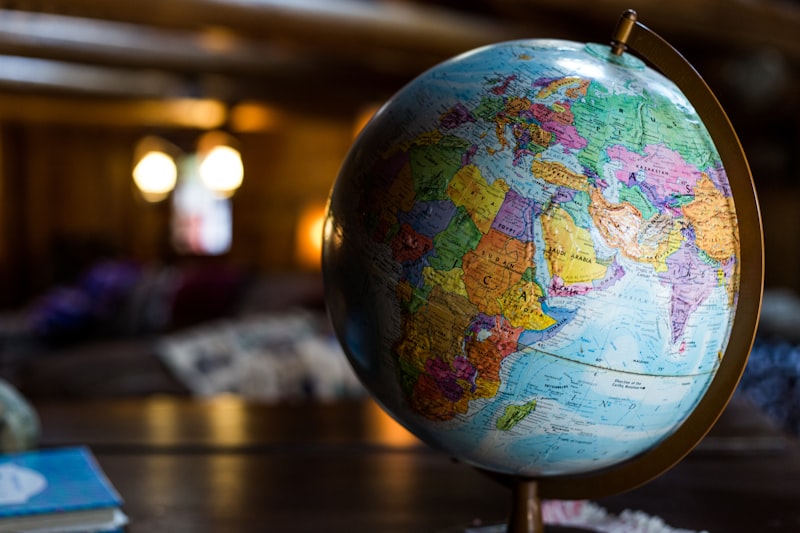
Geneva – The annual Global Diplomacy Summit commenced today amidst heightened tensions, primarily fueled by escalating trade disputes and ongoing geopolitical conflicts. Leaders from across the globe have gathered in Geneva, Switzerland, to address pressing issues ranging from climate change and economic stability to regional security and humanitarian crises. This year's summit is particularly crucial as it aims to foster dialogue and cooperation in an increasingly polarized world. India's delegation, led by External Affairs Minister S. Jaishankar, is playing a pivotal role in mediating discussions and advocating for inclusive solutions.
Key Issues Dominating the Agenda
Several critical issues are at the forefront of discussions. Trade disputes, particularly between the United States and China, continue to cast a shadow over the global economy. The ongoing conflict in Eastern Europe remains a significant concern, with discussions focusing on de-escalation and humanitarian assistance. Climate change, a perennial challenge, demands urgent action, with nations grappling to meet their commitments under the Paris Agreement. The summit also provides a platform to address pressing humanitarian crises in regions like Africa and the Middle East, where millions are displaced and in need of aid. As of this week, several nations have pledged increased support for International Aid Programs.
“This summit is a crucial opportunity to bridge divides and find common ground on issues that affect us all,” stated UN Secretary-General António Guterres during his opening address. “Multilateralism and diplomacy are the only way forward in addressing the complex challenges of our time.”
India's Role in Fostering Dialogue
India's delegation, under the leadership of External Affairs Minister Jaishankar, is actively engaged in facilitating dialogue and seeking common ground among nations with divergent interests. India's emphasis on multilateralism and its commitment to peaceful resolution of conflicts have positioned it as a key mediator. Speaking to News Reporter Live, a source within the Indian delegation reportersays that India is working tirelessly to bridge the gap between developed and developing nations on issues such as climate finance and technology transfer. India has consistently advocated for a fair and equitable global order, emphasizing the importance of inclusivity and sustainable development. External Affairs Minister Jaishankar is scheduled to hold bilateral meetings with several world leaders, including US Secretary of State Antony Blinken and Chinese Foreign Minister Wang Yi, to discuss areas of mutual interest and explore avenues for cooperation.
Geopolitical Tensions and Regional Security
The summit serves as a critical platform to address escalating geopolitical tensions and regional security concerns. The ongoing conflict in Eastern Europe remains a major point of contention, with discussions focusing on ways to de-escalate the situation and ensure the safety and security of civilians. The role of NATO and other regional security alliances is also under scrutiny, with some nations calling for greater transparency and accountability. India, while maintaining its neutral stance, has consistently called for a peaceful resolution of the conflict through dialogue and diplomacy. India's commitment to non-alignment allows it to engage with all parties involved and contribute to finding a viable solution. You can find more India News on our website.
Implications for the Region
The outcomes of the Global Diplomacy Summit will have significant implications for the entire region. A successful summit could lead to greater stability and cooperation, fostering economic growth and development. However, failure to address the underlying tensions could exacerbate existing conflicts and create new challenges. India's role in promoting dialogue and seeking common ground is crucial to ensuring a positive outcome. The summit provides an opportunity for India to strengthen its ties with other nations and enhance its position as a leading global power. The focus will be on whether the summit can translate dialogue into concrete action and pave the way for a more peaceful and prosperous future.
Explore More on News Reporter Live
Frequently Asked Questions
How does the Global Diplomacy Summit affect India?
The summit provides a platform for India to engage with world leaders, strengthen diplomatic ties, and advocate for its interests on global issues such as trade, climate change, and security. India's participation helps shape international policies and fosters cooperation on issues crucial to its development and regional stability.
What is the international response to the key issues discussed at the summit?
The international response varies depending on the issue. There is broad consensus on the need to address climate change, but disagreements persist on the level of commitment and financial contributions. On trade disputes, some nations advocate for protectionist measures, while others champion free trade and multilateralism. Responses to regional conflicts also differ, with some favoring intervention and others prioritizing diplomatic solutions.
What are the potential outcomes of the Global Diplomacy Summit?
The summit could lead to agreements on trade, climate change, and security, fostering greater international cooperation. However, it could also result in deadlock if nations fail to bridge their differences. The success of the summit depends on the willingness of world leaders to compromise and find common ground on pressing global challenges.