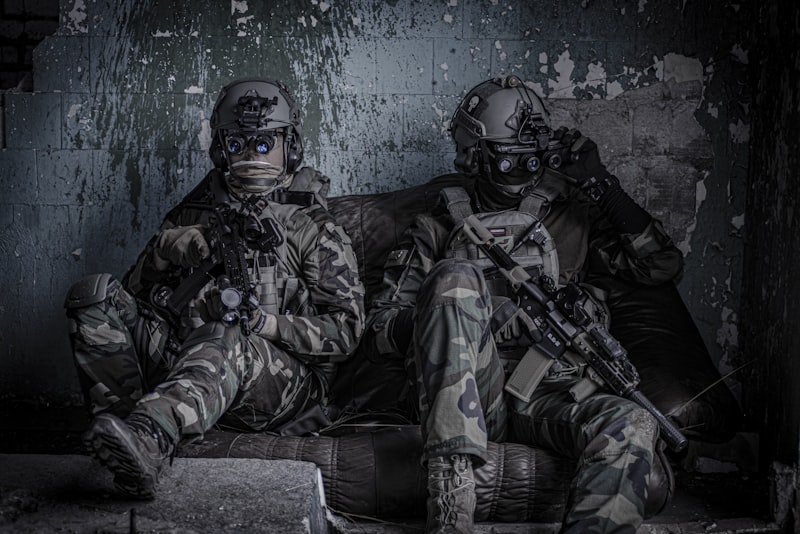
New Delhi, April 2, 2026 – Geopolitical tensions are escalating across multiple fronts, prompting heightened vigilance from Indian armed forces, particularly along the northern and eastern borders. The evolving security landscape necessitates a comprehensive review of India's defense posture and strategic alliances, prompting intense discussions within the Ministry of Defence this week.
The primary area of concern remains the Line of Actual Control (LAC) with China. Recent infrastructure developments on the Chinese side, including the construction of new roads and military facilities in disputed territories, have been closely monitored by Indian intelligence agencies. These developments, coupled with increased military exercises by the People's Liberation Army (PLA), raise concerns about potential escalations. Speaking to News Reporter Live, defense analyst, Brigadier Rahul Sharma (Retd.) stated, "The PLA's actions are clearly designed to assert their territorial claims and put pressure on India. We need to maintain a strong and credible deterrent to prevent any miscalculation."
Analyzing China's Strategic Moves Near the LAC
China's strategic calculus appears to be multifaceted. Beyond territorial ambitions, Beijing is likely seeking to enhance its regional influence and project power in the Indo-Pacific. The ongoing tensions in the South China Sea, coupled with China's growing naval presence in the Indian Ocean, highlight its broader strategic objectives. India's participation in multilateral exercises, such as the recent Malabar naval exercise with the US, Japan, and Australia, is seen as a countermeasure to China's expanding influence.
Meanwhile, along the western border, the situation remains volatile due to cross-border terrorism emanating from Pakistan. Despite repeated calls for action, terror groups continue to operate with impunity, posing a significant threat to Indian security forces and civilians. The Indian Army maintains a robust counter-insurgency grid along the Line of Control (LoC) to prevent infiltration attempts. The use of advanced surveillance technologies, including drones and thermal imaging, has significantly enhanced India's ability to detect and neutralize terrorist threats. Reportersays, the Indian Army is considering deploying additional Spike anti-tank guided missile systems along the LoC to further bolster its defenses.
Military Modernization and Defense Technology Upgrades
In response to the evolving security challenges, India is undertaking a major military modernization program. The acquisition of advanced fighter aircraft, air defense systems, and naval platforms is aimed at enhancing India's overall combat capabilities. The recent induction of the S-400 Triumf air defense system is a significant step towards strengthening India's air defenses. Furthermore, the indigenous development of defense technologies, such as the Tejas light combat aircraft and the Arjun main battle tank, is a key priority for the Indian government. Latest Defense News covers these developments in detail.
The Indian Navy is also playing an increasingly important role in maintaining maritime security in the Indian Ocean. The deployment of warships and surveillance aircraft to monitor strategic sea lanes is crucial for protecting India's trade routes and ensuring regional stability. The commissioning of the indigenous aircraft carrier INS Vikrant has significantly enhanced the Indian Navy's power projection capabilities.
Implications for India's National Security and Armed Forces
The current geopolitical landscape presents significant challenges for India's national security. A two-front war scenario, involving simultaneous conflicts with China and Pakistan, remains a distinct possibility. To address this threat, India needs to maintain a strong and credible deterrent, enhance its intelligence gathering capabilities, and strengthen its strategic partnerships. Cooperation with like-minded countries, such as the US, Japan, and Australia, is essential for maintaining a balance of power in the Indo-Pacific. "India needs to adopt a proactive approach to safeguard its interests and promote regional stability," argues Dr. Lakshmi Menon, a professor of international relations at Jawaharlal Nehru University.
The Indian Armed Forces are constantly adapting to the changing security environment. Regular training exercises, technological upgrades, and improved coordination between the three services are crucial for maintaining operational readiness. The welfare of soldiers and their families is also a top priority for the government. Ensuring adequate resources and support for the armed forces is essential for maintaining morale and attracting talented young people to serve the nation. You can find detailed information on military formations in the India Directory.
Explore More on News Reporter Live
Frequently Asked Questions
What is the current security situation along India's borders?
The security situation along India's borders is tense, with heightened vigilance along the Line of Actual Control (LAC) with China and the Line of Control (LoC) with Pakistan. Increased military activity and infrastructure development by China, coupled with cross-border terrorism from Pakistan, pose significant challenges.
What defense systems are being deployed to address these threats?
India is deploying a range of advanced defense systems, including the S-400 Triumf air defense system, Spike anti-tank guided missiles, and advanced surveillance technologies. The Indian Navy is also enhancing its maritime capabilities with the commissioning of indigenous aircraft carriers and deployment of warships to strategic sea lanes.
How does India compare militarily to China and Pakistan?
India has a large and well-trained military force, but faces challenges in terms of technological parity with China. While India has made significant progress in indigenous defense production, it still relies on imports for some key weapons systems. Pakistan's military is smaller than India's but possesses nuclear weapons, creating a complex security dynamic.