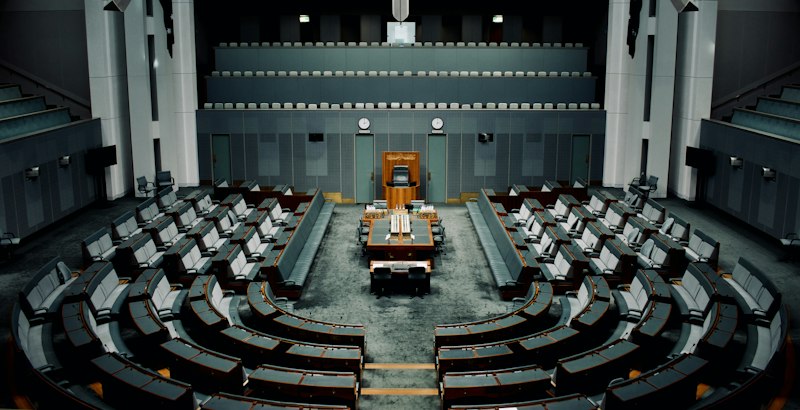
New Delhi, April 4, 2026 – As India gears up for the upcoming Lok Sabha elections, the political landscape is witnessing intense activity with major parties launching aggressive campaigns to woo voters. The ruling Bharatiya Janata Party (BJP), led by Prime Minister Narendra Modi, is focusing on its development agenda and national security achievements, while the opposition Indian National Congress and its allies are highlighting issues of unemployment, inflation, and social justice. The election campaign is really starting to heat up now.
BJP's Development Push vs. Congress's Social Justice Plank
The BJP's campaign narrative centers around the theme of 'Viksit Bharat' (Developed India), showcasing infrastructure projects, economic reforms, and initiatives like Ayushman Bharat. Highlighting the Modi government’s efforts, Union Home Minister Amit Shah, addressing a rally in Varanasi yesterday, stated, "Under the leadership of Narendra Modi, India has emerged as a global power. We have delivered on our promises of development and security, and we seek your blessings to continue this journey." The party is also banking on its Hindutva ideology to consolidate its core voter base, especially in the Hindi heartland.
On the other hand, the Congress party, led by Rahul Gandhi, is attempting to forge a broad alliance with regional parties to challenge the BJP's dominance. Their campaign focuses on addressing economic inequalities, providing employment opportunities, and safeguarding the rights of marginalized communities. Speaking to News Reporter Live, Congress spokesperson Randeep Surjewala said, "The Modi government has failed to address the real issues facing the common man. Unemployment is rampant, prices are skyrocketing, and social divisions are widening. We offer a vision of inclusive growth and social harmony." The Congress is also attacking the BJP on issues of corruption and crony capitalism.
Key Battleground States and Political Maneuvering
The states of Uttar Pradesh, Maharashtra, Bihar, and West Bengal are expected to be crucial in determining the outcome of the elections. Political parties are deploying their top leaders to address rallies and roadshows in these states. In Uttar Pradesh, the BJP faces a challenge from the Samajwadi Party-Bahujan Samaj Party alliance. In Maharashtra, the Maha Vikas Aghadi (MVA), comprising the Congress, Shiv Sena (UBT), and Nationalist Congress Party (NCP), is trying to put up a united front against the BJP-Shiv Sena (Shinde faction) coalition. Meanwhile, in West Bengal, the Trinamool Congress is battling both the BJP and the Congress-Left alliance to maintain its dominance.
This week, the Election Commission of India (ECI) has been actively monitoring the campaign activities to ensure adherence to the Model Code of Conduct. Several notices have been issued to political leaders for making controversial statements. The ECI has also urged voters to participate in the electoral process and exercise their franchise responsibly.
Third Front Emerges? Regional Parties Seek Influence.
As the major national parties battle it out, several regional players are exploring the possibility of forming a 'Third Front' to play a kingmaker role in the event of a fractured mandate. Parties like the Biju Janata Dal (BJD) in Odisha, the YSR Congress Party (YSRCP) in Andhra Pradesh, and the Telangana Rashtra Samithi (TRS) are keeping their options open. reportersays This could significantly alter the post-election scenario. The dynamics of coalition politics are definitely in play.
Historically, Indian elections have often been decided by a complex interplay of factors, including caste, religion, regionalism, and personality cults. This election is no different, with all these elements vying for influence. Political analysts are closely watching the voting patterns and the impact of various campaign strategies on the electorate. This election campaign is shaping up to be one of the most closely contested in recent history.
Political analyst Dr. R.K. Sharma, speaking to News Reporter Live, observed, "This election is a battle for the soul of India. The BJP is trying to consolidate its Hindutva agenda, while the opposition is trying to unite on a platform of social justice and economic equality. The outcome will have far-reaching implications for the country's future."
Explore More on News Reporter Live
Frequently Asked Questions
What are the main issues in the upcoming election?
The main issues include unemployment, inflation, economic inequality, social justice, national security, and development. The ruling party emphasizes its development record, while the opposition focuses on addressing economic grievances and social divisions.
Which states are considered key battlegrounds?
Uttar Pradesh, Maharashtra, Bihar, and West Bengal are considered key battleground states due to their large populations and complex political dynamics. The outcome in these states will significantly impact the overall election results.
What is the role of the Election Commission of India?
The Election Commission of India (ECI) is responsible for conducting free and fair elections. It monitors campaign activities, enforces the Model Code of Conduct, and ensures that all political parties adhere to the rules and regulations.