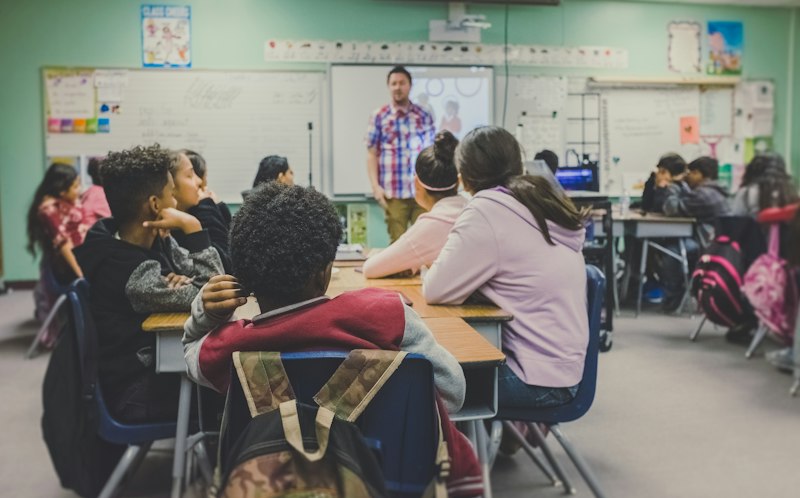
The Central Board of Secondary Education (CBSE) is set to implement significant reforms to its board examination system, starting with the Class 10 and Class 12 exams in 2027. This overhaul, aimed at reducing student stress and promoting a more holistic learning environment, includes changes to the exam pattern, evaluation methods, and syllabus structure. This week, the CBSE released a detailed circular outlining the proposed changes, sparking both excitement and apprehension among students, parents, and educators alike.
One of the most significant changes is the introduction of modular exams. Instead of a single, high-stakes exam at the end of the academic year, students will now have the option to take smaller, more frequent assessments throughout the year. These modules will cover specific portions of the syllabus, allowing students to focus on mastering individual concepts before moving on. The board believes this will reduce exam-related anxiety and encourage continuous learning. The reform aligns with the goals of the National Education Policy (NEP) 2020, which emphasizes competency-based learning and reducing the pressure of rote memorization.
Revised Exam Pattern and Evaluation
The revised exam pattern will also incorporate more application-based questions, moving away from purely theoretical assessments. Case studies, problem-solving scenarios, and critical thinking exercises will form a larger part of the question papers. The CBSE aims to assess students' understanding and ability to apply their knowledge in real-world contexts. "We want to move away from rote learning and encourage students to think critically and creatively," said Dr. Anita Karwal, Chairperson of the CBSE, in a press conference earlier today. Speaking to News Reporter Live, she added that the changes are designed to "prepare students for the challenges of the 21st century."
Evaluation methods are also being revamped. The CBSE is exploring the use of artificial intelligence (AI) -powered tools for automated assessment of objective-type questions and for providing personalized feedback to students. This is intended to improve the efficiency and accuracy of the evaluation process. The board is also considering incorporating peer assessment and self-assessment components into the overall evaluation scheme. The details are still being worked out, but the direction is clear: a more comprehensive and student-centric approach to assessment.
Syllabus Restructuring and Teacher Training
Alongside the changes to the exam pattern and evaluation methods, the CBSE is also undertaking a comprehensive review of the syllabus for Classes 10 and 12. The aim is to reduce the syllabus load and focus on core concepts and skills. The board is also collaborating with various educational institutions and experts to develop new teaching resources and training programs for teachers. These programs will focus on equipping teachers with the skills and knowledge necessary to implement the new exam pattern and evaluation methods effectively. The CBSE will also offer CBSE Study Materials & Notes online.
The implementation of these reforms will be phased in over the next few years. The CBSE plans to conduct pilot studies and gather feedback from schools and students before rolling out the changes nationwide. A dedicated task force has been set up to oversee the implementation process and address any challenges that may arise. One of the biggest challenges, reportersays, will be ensuring that all schools, particularly those in rural areas, have the resources and support they need to adapt to the new system. The board is committed to providing equal opportunities for all students.
Expert Tips for Students and Parents
As these significant changes approach, it's crucial for students and parents to adapt their strategies. Focus on understanding concepts thoroughly rather than rote memorization. Practice applying your knowledge to solve problems and analyze case studies. Participate actively in class discussions and seek clarification on any doubts you may have. Parents can support their children by creating a conducive learning environment at home and encouraging them to develop critical thinking and problem-solving skills. Remember to explore available Scholarships & Financial Aid options to alleviate financial burdens associated with education.
Explore More on News Reporter Live
Frequently Asked Questions
When will these CBSE board exam reforms be implemented?
The reforms are scheduled to be implemented starting with the Class 10 and Class 12 exams in 2027. The CBSE plans a phased rollout, including pilot studies and feedback collection.
What are the key changes in the new exam pattern?
The key changes include the introduction of modular exams, a greater emphasis on application-based questions, and revised evaluation methods that incorporate AI-powered tools and peer assessment.
How can students prepare for the revised CBSE board exams?
Students should focus on understanding concepts thoroughly, practice applying knowledge to solve problems, and actively participate in class discussions. Parents can support by creating a conducive learning environment and encouraging critical thinking.