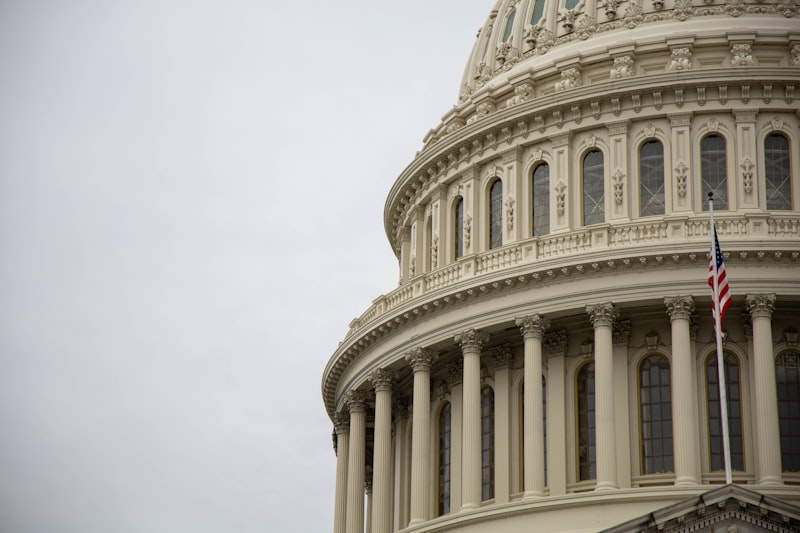
New Delhi, Tuesday, March 24, 2026 – The political landscape in India is undergoing a dramatic churn as several regional parties reassess their alliances ahead of the crucial 2027 Lok Sabha elections. Whispers of discontent and strategic realignments have grown louder, threatening to reshape the existing power dynamics both at the Centre and in key states. The ruling NDA coalition, led by the BJP, appears to be facing some turbulence, while the opposition INDIA alliance is striving to solidify its unity amidst internal disagreements.
Cracks in the NDA: A Shifting Power Balance?
Sources within the NDA indicate a growing unease among some of the smaller regional partners. The allocation of seats for the upcoming elections and the perceived dominance of the BJP in policy decisions are reportedly the main points of contention. The Suheldev Bharatiya Samaj Party (SBSP) in Uttar Pradesh, a key NDA ally, has publicly expressed its dissatisfaction. "We joined the NDA with certain expectations, but our concerns regarding the welfare of backward communities have not been adequately addressed," reportersays SBSP leader Om Prakash Rajbhar. His statement has sent ripples through the political circles, sparking speculation about a potential shift in allegiance.
Meanwhile, in Bihar, the Janata Dal (United) (JDU), another significant NDA partner, seems to be adopting a more cautious approach. While Chief Minister Nitish Kumar has reaffirmed his commitment to the alliance, sources suggest that the party is keeping its options open, closely monitoring the evolving political situation. A senior JDU leader, speaking on condition of anonymity, said, "The party is carefully evaluating all possibilities to ensure it remains a relevant force in Bihar politics. The interests of Bihar are paramount." All of this is happening while parliament is in session, adding another layer of complexity.
INDIA Alliance: Unity in Diversity or a House Divided?
On the other side of the spectrum, the INDIA alliance, formed to challenge the NDA's dominance, is grappling with its own set of challenges. While the alliance has presented a united front on several issues, internal differences, particularly regarding seat sharing and leadership roles, remain a significant hurdle. The Congress party, being the largest constituent of the alliance, faces the daunting task of accommodating the aspirations of various regional players.
"The INDIA alliance is committed to providing a viable alternative to the NDA. We are working towards resolving our internal differences through dialogue and mutual understanding," said a senior Congress leader, speaking to News Reporter Live. However, the recent spat between the Aam Aadmi Party (AAP) and the Congress in Delhi over seat sharing has exposed the fragility of the coalition. The Trinamool Congress (TMC) in West Bengal has also indicated its preference for contesting the elections independently in the state, further complicating the alliance's prospects.
State Elections and Their Impact on National Alliances
The outcome of the upcoming state elections in several key states, including Maharashtra and Haryana, will likely have a significant bearing on the stability of the existing alliances. A strong performance by the BJP in these states could embolden its position within the NDA, while a setback could provide an opportunity for regional parties to assert their demands. Similarly, the INDIA alliance's performance in these elections will be crucial in determining its credibility and viability as a national alternative.
Expert Analysis: Implications for the 2027 Lok Sabha Elections
According to political analysts, the current realignment of political forces indicates a period of intense bargaining and negotiation. The 2027 Lok Sabha elections are likely to witness a more fragmented political landscape, with regional parties playing a crucial role in determining the outcome. "The key takeaway is that nothing is set in stone. Alliances can shift, and new formations can emerge. The parties that can adapt to this dynamic environment and forge strategic partnerships will be the ones that succeed," says Dr. Rajesh Sharma, a political science professor at Jawaharlal Nehru University, speaking to News Reporter Live.
The coming months will be crucial in shaping the political narrative and setting the stage for the 2027 elections. The ability of the NDA and the INDIA alliance to manage internal dissent and forge cohesive strategies will be critical in determining their electoral fortunes. For now, all eyes are glued to the actions of the Modi government, which will likely seek to implement popular government policy ahead of the elections. Breaking News is that several other parties are also considering their options.
Explore More on News Reporter Live
Frequently Asked Questions
What is causing the political alliance shifts in India?
Several factors are contributing, including dissatisfaction among regional parties within the NDA regarding seat allocation and policy influence, as well as internal disagreements within the INDIA alliance concerning leadership and seat sharing. State election outcomes also play a crucial role in influencing these shifts.
How do these shifts affect the common citizen?
Political instability and shifting alliances can lead to uncertainty in policy implementation and governance. This can impact the delivery of essential services and the overall development agenda, potentially affecting the lives of common citizens. It also affects which Government Schemes are prioritized.
What are the potential consequences of these alliance realignments for the 2027 Lok Sabha elections?
The realignments could lead to a more fragmented political landscape, with regional parties playing a kingmaker role. This could result in a coalition government at the Centre, requiring significant compromises and negotiations among different parties. The outcome could also hinge on which alliances can offer the most compelling vision for the country's future.