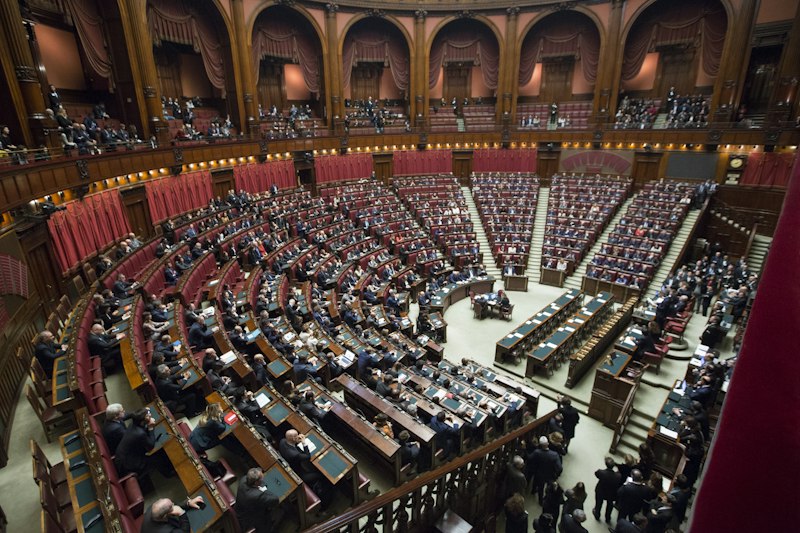
New Delhi, March 31, 2026: A significant tremor has been felt in the Indian political landscape today as murmurs of discontent and potential realignment within the opposition INDIA bloc grow louder. The alliance, forged with the ambitious goal of challenging the Modi-led NDA in the upcoming 2029 Lok Sabha elections, appears to be facing its first major test of cohesion.
The primary source of friction stems from ongoing disagreements over seat sharing in several key states, particularly Uttar Pradesh and Maharashtra. Sources within the Congress party have expressed frustration over the perceived inflexibility of regional players, especially the Samajwadi Party (SP) and the Shiv Sena (UBT). These regional parties, while crucial to the alliance's strength on paper, are reportedly hesitant to cede ground in their traditional strongholds.
Seat Sharing Stumbling Blocks
The situation in Uttar Pradesh is particularly sensitive. The Congress, aiming to revive its dwindling fortunes in the state, is reportedly seeking a larger share of seats than the SP is willing to concede. Similar tensions are brewing in Maharashtra, where the Shiv Sena (UBT) and the Congress are locked in negotiations over key constituencies. The NCP (Sharad Pawar faction) is also a significant player in these discussions, further complicating matters.
"We are committed to the INDIA alliance, but a fair and equitable seat-sharing arrangement is crucial," a senior Congress leader from Uttar Pradesh told News Reporter Live, speaking on condition of anonymity. "We believe we have a strong presence in several constituencies and deserve to be given a chance to contest from those seats."
Regional Ambitions Clash with National Goals
The current impasse highlights the inherent challenges of forging a united front from disparate political entities with often conflicting regional ambitions. While the overarching goal of unseating the BJP remains a common thread, the individual aspirations of each party are proving difficult to reconcile. Meanwhile, the BJP is watching these developments with keen interest, hoping to capitalize on any perceived weakness or disunity within the opposition ranks. The BJP leadership believes that a fractured opposition will significantly improve their chances of securing a third consecutive term in power. Breaking News highlights how the ruling party is already strategizing for the upcoming elections.
“The INDIA alliance is a collection of disparate interests, held together only by their opposition to Narendra Modi,” remarked a senior BJP leader, speaking to reporters outside Parliament today. “Such alliances are inherently unstable and prone to collapse under the weight of their own contradictions.”
Historical Context: Lessons from the Past?
Political observers are drawing parallels to previous attempts at forming grand alliances against the Congress in the 1970s and the BJP in the late 1980s and early 1990s. While some of these alliances achieved temporary success, they often crumbled due to internal contradictions and competing ambitions. The Janata Party experiment in the late 1970s, for instance, ultimately failed due to infighting among its constituent factions. Similarly, the National Front government of the late 1980s collapsed after just two years in power. The question now is whether the INDIA bloc can learn from these historical precedents and avoid repeating past mistakes. As of today, March 31, 2026, that question remains unanswered.
Reportersays that these internal disagreements are providing ample fodder for political commentators and analysts and add fuel to the fire, raising concerns about the long-term viability of the INDIA alliance. The coming weeks will be crucial in determining whether the alliance can overcome these challenges and present a united front to the electorate.
Impact on Government Policy and Future Elections
The uncertainty surrounding the INDIA alliance also has implications for the government's policy agenda. With a potentially weakened opposition, the Modi government may feel emboldened to push through controversial legislation in the upcoming parliament session. However, a strong and united opposition could effectively scrutinize and challenge government policies, ensuring greater accountability and transparency. Government Schemes are often the subject of intense debate during these sessions.
The outcome of the ongoing negotiations within the INDIA alliance will undoubtedly have a significant bearing on the political landscape in the run-up to the 2029 Lok Sabha elections. A successful resolution could provide a formidable challenge to the BJP, while a failure to reach a consensus could further consolidate the ruling party's dominance. The stakes are high, and the political maneuvering is only expected to intensify in the coming months.
Explore More on News Reporter Live
Frequently Asked Questions
What is the latest political development in the INDIA alliance?
The INDIA alliance is currently facing internal disagreements over seat sharing, particularly in Uttar Pradesh and Maharashtra. This has raised concerns about the alliance's cohesion and long-term viability.
How does this affect common citizens?
The stability of political alliances can impact government policy and the effectiveness of the opposition. A strong and united opposition can hold the government accountable and ensure that the voices of citizens are heard.
What are the opposition views on the Modi government?
The opposition parties in the INDIA alliance generally criticize the Modi government's economic policies, social policies, and handling of various national issues. They aim to present a viable alternative to the BJP's governance model.