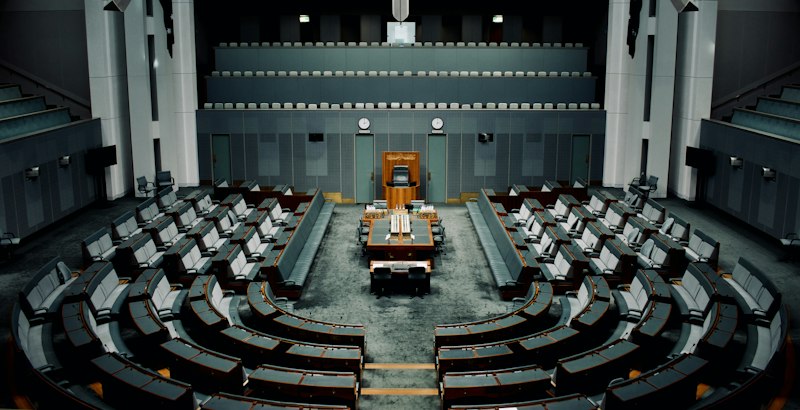
New Delhi, April 1, 2026 – A significant realignment of political forces is underway in India, sending ripples through the nation's political landscape. The Nationalist Democratic Alliance (NDA), led by the Bharatiya Janata Party (BJP), is facing unprecedented challenges as key regional allies explore alternative partnerships, potentially reshaping the contours of the upcoming Lok Sabha elections.
The most significant development is the growing rift between the BJP and the Janata Dal (Secular) (JDS) in Karnataka. Sources inside the JDS indicate dissatisfaction with the BJP's perceived dominance within the alliance and a lack of consultation on key policy decisions affecting the state. Former Chief Minister of Karnataka and JDS leader, H.D. Kumaraswamy, has been vocal about the need for a more equitable power-sharing arrangement. "Our party's concerns have not been adequately addressed," Kumaraswamy stated in a press conference earlier this week. "We are evaluating all options to ensure the interests of Karnataka are protected."
Cracks in the NDA: Regional Allies Reassessing
Meanwhile, in Maharashtra, the Shiv Sena (UBT), under the leadership of Uddhav Thackeray, is actively courting smaller regional parties and disgruntled factions within the ruling coalition. Thackeray, speaking to News Reporter Live, asserted, "The people of Maharashtra are yearning for a change. We are working towards forging a strong and credible alternative to the current dispensation." The Sena's efforts to consolidate opposition forces are gaining traction, particularly in light of recent economic setbacks and rising unemployment in the state.
The shift isn't limited to the NDA. The United Progressive Alliance (UPA), spearheaded by the Indian National Congress, is also undergoing internal restructuring. The Congress party is actively seeking to regain lost ground by forging alliances with regional players and addressing concerns about its leadership vacuum at the national level. A senior Congress leader, speaking on condition of anonymity, reportersays, "We are committed to building a broad-based coalition that reflects the aspirations of all sections of society. The focus is on issue-based alliances and a common minimum program."
Impact on Upcoming Lok Sabha Elections
These shifting alliances are poised to have a profound impact on the upcoming Lok Sabha elections. The BJP, which secured a comfortable majority in the 2019 elections, may find it challenging to replicate its performance given the evolving political dynamics. The consolidation of opposition forces could lead to a more competitive electoral landscape and potentially deny the BJP a clear majority.
On the other hand, a fragmented opposition could also benefit the BJP, allowing it to capitalize on divisions and emerge as the single largest party. The success of any alliance will depend on its ability to effectively communicate its message to the electorate and address pressing issues such as unemployment, inflation, and social inequality. Political analysts believe that the next few months will be crucial in determining the shape of India's political future. The breaking news is that several smaller parties are playing kingmaker.
Historical Context: Alliances in Indian Politics
Political alliances have always been a defining feature of Indian politics. From the early days of coalition governments in the 1970s to the rise of regional parties in the 1990s, alliances have played a crucial role in shaping the political landscape. The current realignment of forces is reminiscent of past episodes of political churn, where shifting allegiances have led to dramatic changes in government. The government schemes need to be accessible regardless of which party is in power. The key difference this time is the increased importance of social media and digital campaigning, which adds a new dimension to alliance building.
The Election Commission of India is closely monitoring the developments and is expected to announce the schedule for the Lok Sabha elections in the coming weeks. All eyes are now on the political parties as they scramble to finalize their alliances and strategies for the upcoming electoral battle. This week will be crucial as parties finalize their positions. As of April 1, 2026, the political climate remains highly uncertain.
Expert Analysis: Implications of Political Realignment
"These alliance shifts indicate a growing sense of unease among regional parties regarding the BJP's dominance," says Dr. Smita Verma, a political science professor at Jawaharlal Nehru University. "The smaller parties are seeking greater autonomy and a more equitable share of power. Whether they succeed in forging a viable alternative remains to be seen, but the message is clear: the era of unchallenged BJP hegemony may be coming to an end." The education updates are also affected by the political climate.
Explore More on News Reporter Live
Frequently Asked Questions
What is the latest political development in India?
The latest development involves significant shifts in political alliances, particularly within the NDA, with key regional allies exploring alternative partnerships. This could reshape the upcoming Lok Sabha elections.
How do these political alliance shifts affect common citizens?
These shifts can influence government policies, economic stability, and social programs. The outcome of the elections will determine which party or coalition governs, impacting issues like job creation, inflation, and access to essential services.
What are the opposition parties' views on the current political situation?
Opposition parties are actively seeking to consolidate their forces and present a united front against the ruling coalition. They criticize the government's handling of the economy, social issues, and governance, and are proposing alternative policies.